
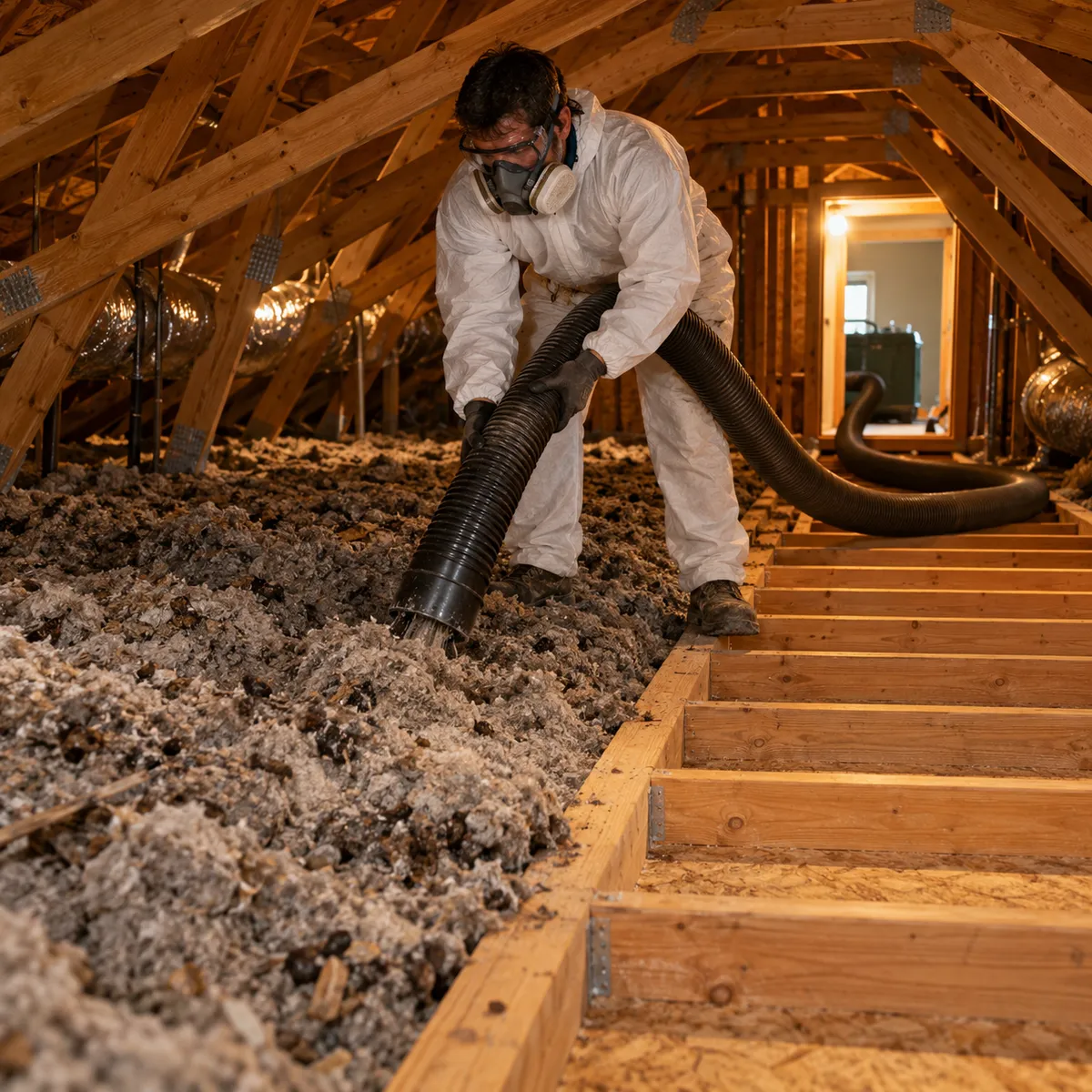
Houston Attic Insulation: Materials, Costs & Benefits
Attic Insulation in Houston, TX: What Homeowners Should Know
Houston's hot summers, high humidity, and long cooling seasons can put considerable pressure on your home's insulation system. While homeowners often focus on their air conditioning equipment, the condition of the attic can also play an important role in maintaining comfortable indoor temperatures.
Proper attic insulation helps slow heat transfer between the roof space and living areas. But how do you know if your home has enough insulation, and what should you consider before upgrading?
Here's what Houston homeowners should know.
Why Attic Insulation Matters in Houston
During summer, attic temperatures can become significantly higher than outdoor temperatures because the roof absorbs solar heat throughout the day. Without an effective insulation layer, some of that heat can transfer into the rooms below.
This can make your air conditioning system work harder to maintain the desired indoor temperature.
A properly insulated attic can help:
Reduce heat transfer from the attic into living spaces.
Maintain more consistent indoor temperatures.
Reduce heating and cooling demands.
Improve overall home comfort.
Support better energy efficiency.
Insulation is only one part of the equation, however. Air sealing and proper attic ventilation should also be considered.
How Much Attic Insulation Does a Houston Home Need?
Insulation effectiveness is measured using R-value. A higher R-value generally means greater resistance to heat transfer.
The appropriate insulation level depends on several factors, including your home's construction, existing insulation, air leakage, and local climate recommendations.
For Houston homeowners, the U.S. Department of Energy's insulation recommendations for Climate Zone 2 can serve as a useful starting point.
Before adding new insulation, it's worth checking the existing material's depth, condition, and coverage. Simply adding more insulation without identifying underlying problems may not deliver the expected results.
Common Types of Attic Insulation
Different insulation materials have different characteristics. The right option depends on the attic's layout, project requirements, and budget.
Blown-In Fiberglass Insulation
Blown-in fiberglass consists of lightweight glass fibers installed using specialized equipment.
It can be distributed across attic floors and around many obstacles, making it useful for irregular attic spaces.
Blown-In Cellulose Insulation
Cellulose is typically manufactured from recycled paper products treated with fire-retardant additives.
It is installed using blowing equipment and can provide relatively consistent coverage across attic floors when properly installed.
Fiberglass Batts
Fiberglass batts come in pre-cut or rolled sections. They are commonly installed between attic floor joists or within framed cavities.
Their performance depends heavily on correct sizing, placement, and installation without compression or gaps.
Signs Your Attic May Need Insulation Upgrades
Not every insulation problem is immediately visible from inside the home. However, some warning signs may indicate that your attic deserves closer attention.
Look out for:
Uneven indoor temperatures: Some rooms may feel noticeably warmer than others.
High cooling demand: Your AC may run frequently during hot weather.
Visible insulation gaps: Certain attic areas may have little or no insulation coverage.
Compressed or displaced insulation: Existing material may no longer provide consistent coverage.
Moisture concerns: Damp insulation, water stains, or musty odors may indicate a separate attic moisture issue.
These symptoms do not automatically mean that insulation is the cause. An attic inspection can help identify the actual problem.
Why Air Sealing Matters Before Adding Insulation
One common mistake is treating insulation as the only solution to attic heat transfer.
Air leaks around ceiling penetrations, recessed lights, plumbing openings, and attic access points can allow conditioned indoor air to escape into the attic.
Before installing additional insulation, these areas should be evaluated and sealed where appropriate.
It is also important to maintain proper ventilation and avoid blocking soffit vents with insulation.
Should You Remove Old Attic Insulation Before Installing New Material?
Not necessarily.
If the existing insulation is dry, relatively clean, and in acceptable condition, adding new insulation over it may be a suitable option.
However, removal may be necessary when the material is:
Contaminated by pests or animal waste.
Damaged by water.
Affected by mold or other contamination.
Severely deteriorated or unsuitable for reuse.
The decision should be based on an inspection rather than assuming all old insulation needs replacement.
What to Expect During an Attic Insulation Upgrade
A professional attic insulation project generally involves several stages.
Initial inspection: The attic is evaluated for insulation depth, coverage, moisture issues, and visible air leaks.
Preparation: Areas requiring attention are identified, and appropriate protective measures are taken.
Air sealing: Accessible gaps and penetrations are sealed where appropriate.
Insulation installation: The selected insulation material is installed according to project requirements.
Final inspection: Coverage, depth, ventilation clearances, and overall installation quality are reviewed.
The exact process depends on the attic's existing condition and the scope of work.
Frequently Asked Questions
Is attic insulation worth upgrading in Houston?
It can be worthwhile, particularly when existing insulation is insufficient, damaged, or poorly installed. The potential benefits depend on the home's current condition and other factors affecting energy use.
What is the best insulation for a Houston attic?
Blown-in fiberglass and cellulose are common options. The best choice depends on the attic layout, existing materials, installation requirements, and homeowner preferences.
Can attic insulation help keep my house cooler in summer?
Yes. Insulation slows heat transfer from the hot attic into the living space. However, air sealing, ventilation, and HVAC performance also influence indoor comfort.
How often should attic insulation be inspected?
There is no universal inspection schedule. It's sensible to evaluate attic insulation when purchasing a home, after roof leaks or moisture problems, or when noticing changes in indoor comfort.
Can new insulation be installed over existing insulation?
In many cases, yes. Existing material should first be checked for moisture, contamination, damage, and other conditions that could make covering it inappropriate.
Give Your Attic the Attention It Deserves
Attic insulation is an important part of your home's overall thermal performance. Understanding the condition of your existing insulation, addressing air leaks, and choosing the right installation approach can help you make a more informed home improvement decision.
If you're unsure whether your attic needs an upgrade, EZ Home Solutions can help you evaluate your insulation needs and discuss possible solutions.
Contact EZ Home Solutions to schedule an attic inspection in Houston, TX.