Reliable home comfort solutions. Specific Area?

ENERGY-EFFICIENT INSULATION
Blown-In Insulation Services in Houston
Improve your home's energy efficiency with professionally installed blown-in insulation. We help Houston homeowners reduce unwanted heat transfer, improve indoor comfort, and maintain more consistent temperatures throughout the year.
Certified & Insured
5-star rating
Price Match Guarantee
Get your FREE Estimate
Tell us where you are and we'll schedule your free, no-obligation estimate.
Get a Quote Now
Book an Appointment
Tell us a bit about yourself and we'll schedule your appointment.
600+ Happy Customer Reviews
Homes Insulated Across Greater Houston
Family Owned & Operated
Certified & Insured
HOW BLOWN-IN INSULATION WORKS
Improve Your Home's Comfort With Blown-In Insulation
Blown-in insulation is an effective way to improve your home's thermal performance by adding loose-fill insulation material to your attic. Using specialized equipment, the material is evenly distributed across the attic floor, filling gaps, covering hard-to-reach areas, and helping reduce unwanted heat transfer.
This solution is suitable for many residential properties, especially homes with insufficient, aging, or uneven attic insulation. It can also be installed over existing insulation when the current material is in suitable condition.
In Houston, where long, hot summers put extra demand on air conditioning systems, proper attic insulation plays an important role in maintaining indoor comfort. A properly insulated attic helps reduce heat entering your living space, supports more consistent indoor temperatures, and can improve your home's overall energy efficiency.
Fills gaps and hard-to-reach areas
Helps reduce heat transfer
Suitable for many existing attic spaces
WHY CHOOSE BLOW-IN INSULATION
Benefits of Blown-In Attic Insulation
Blown-in insulation offers a practical way to improve your attic's thermal performance. When properly installed, it helps reduce heat transfer, improve indoor comfort, and support your home's overall energy efficiency.

Reduces heat transfer through your attic and supports more efficient heating and cooling.

Loose-fill material reaches gaps and hard-to-access areas for more even attic coverage.

Helps maintain consistent indoor temperatures during Houston's hot summers and cooler months.

Can often be installed over existing insulation when the material is clean, dry, and in suitable condition.
WHY CHOOSE EZ HOME SOLUTIONS
Why Houston homeowners trust us with their attics
We've worked inside more than a thousand Houston attics, clearing out old, settled, water-damaged, and pest-contaminated insulation, then blowing in fresh, even fiberglass built for this climate. We know exactly what your attic needs.
 Local Houston Service
Free Attic Inspections
Certified & Insured Team
Quality Workmanship
Price Match Guarantee
We're not a high-pressure sales crew. We back every single job with a price match guarantee and in-house payment plans, so you get a better attic without overpaying.
SERVING HOMEOWNERS ACROSS GREATER HOUSTON
SERVING HOMEOWNERS ACROSS
GREATER HOUSTON
BLOW-IN INSULATION SERVICE AREAS
Blown-In Insulation Across Greater Houston
We serve homeowners within about a 50-mile radius of downtown Houston, from The Woodlands and Spring in the north to Pearland and Sugar Land in the south, plus Katy, Cypress, Tomball, Humble, and more.
Houston Area
Family-owned, locally operated. We treat Houston like home.
Not sure if we cover your neighborhood? Share your ZIP code on the estimate form. We'll confirm coverage and route the right local crew.
Our Process
From worn-out attic to fresh insulation
Four clear steps. Each one brings your attic closer to fresh, even insulation, with no surprises.
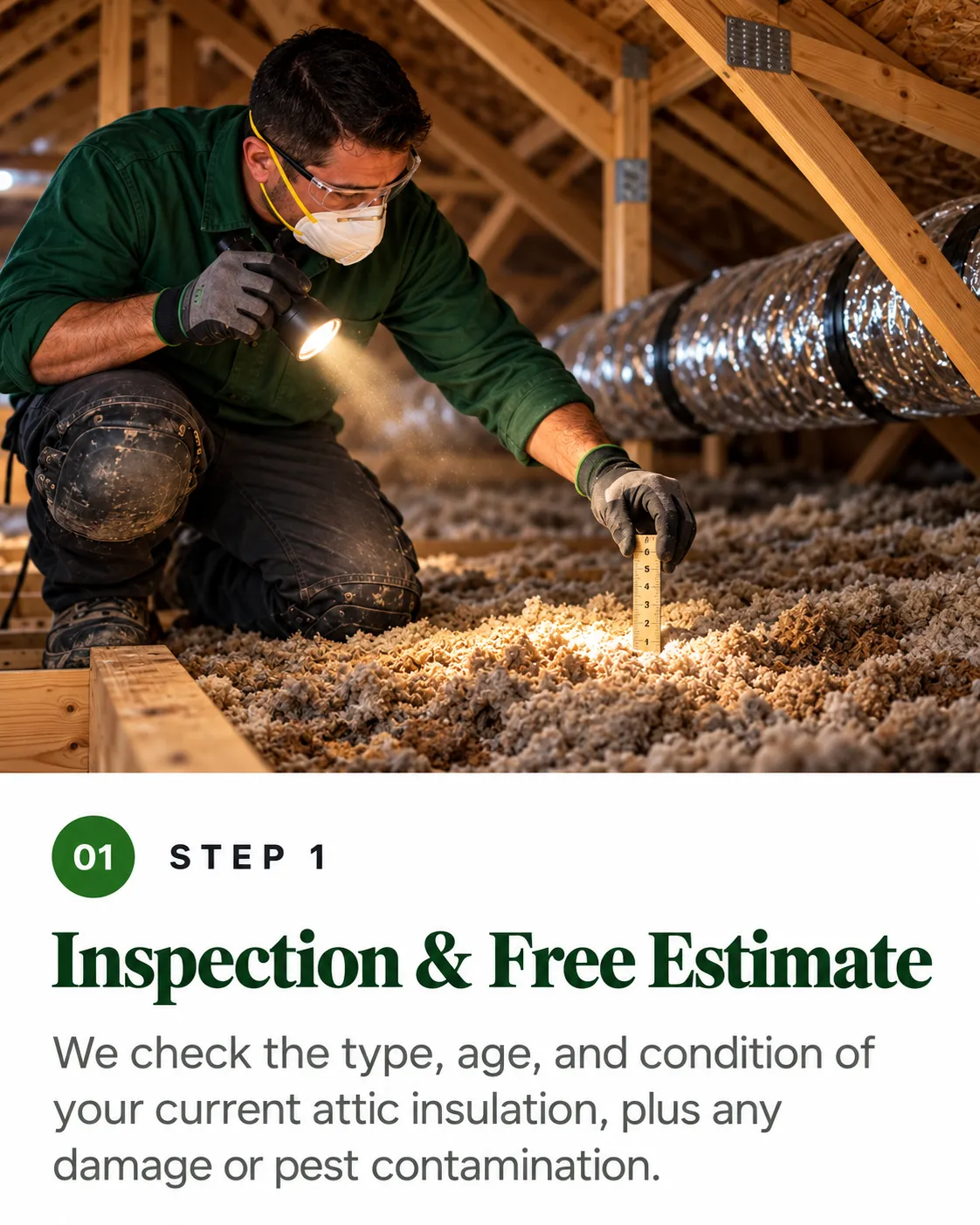
01
STEP 1
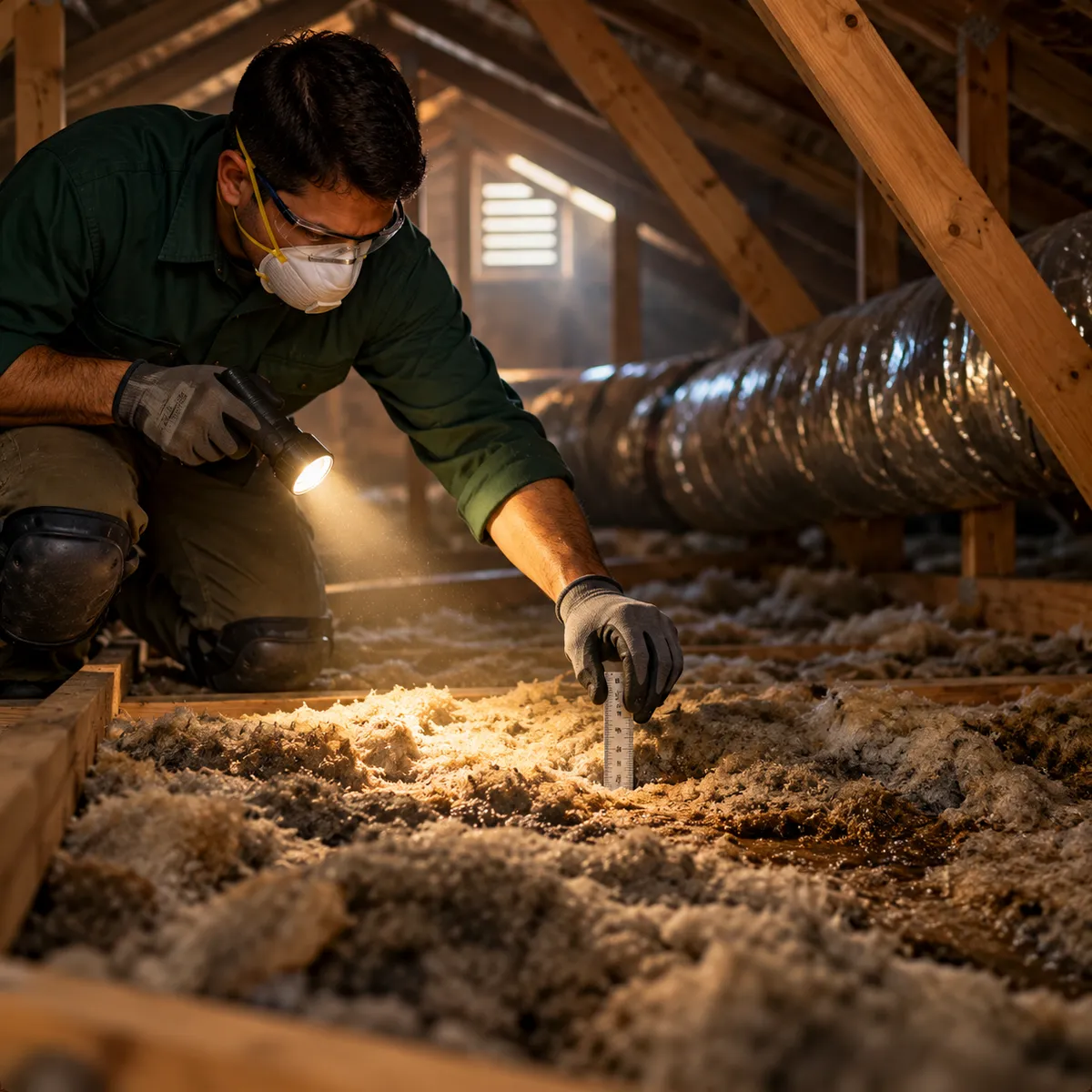
Inspection & Free Estimate
We check the type, age, and condition of your current attic insulation, plus any damage or pest contamination.
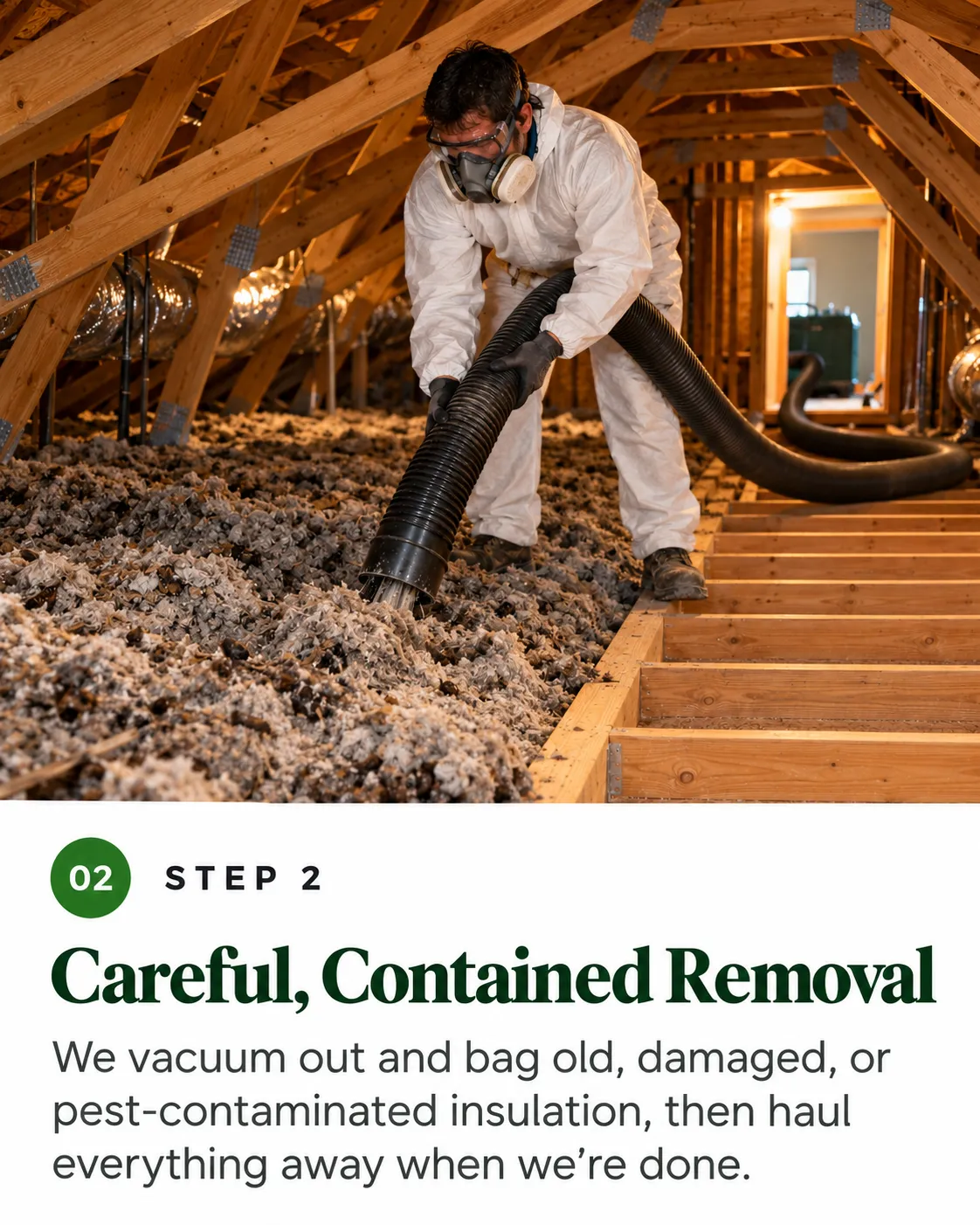
02
STEP 2
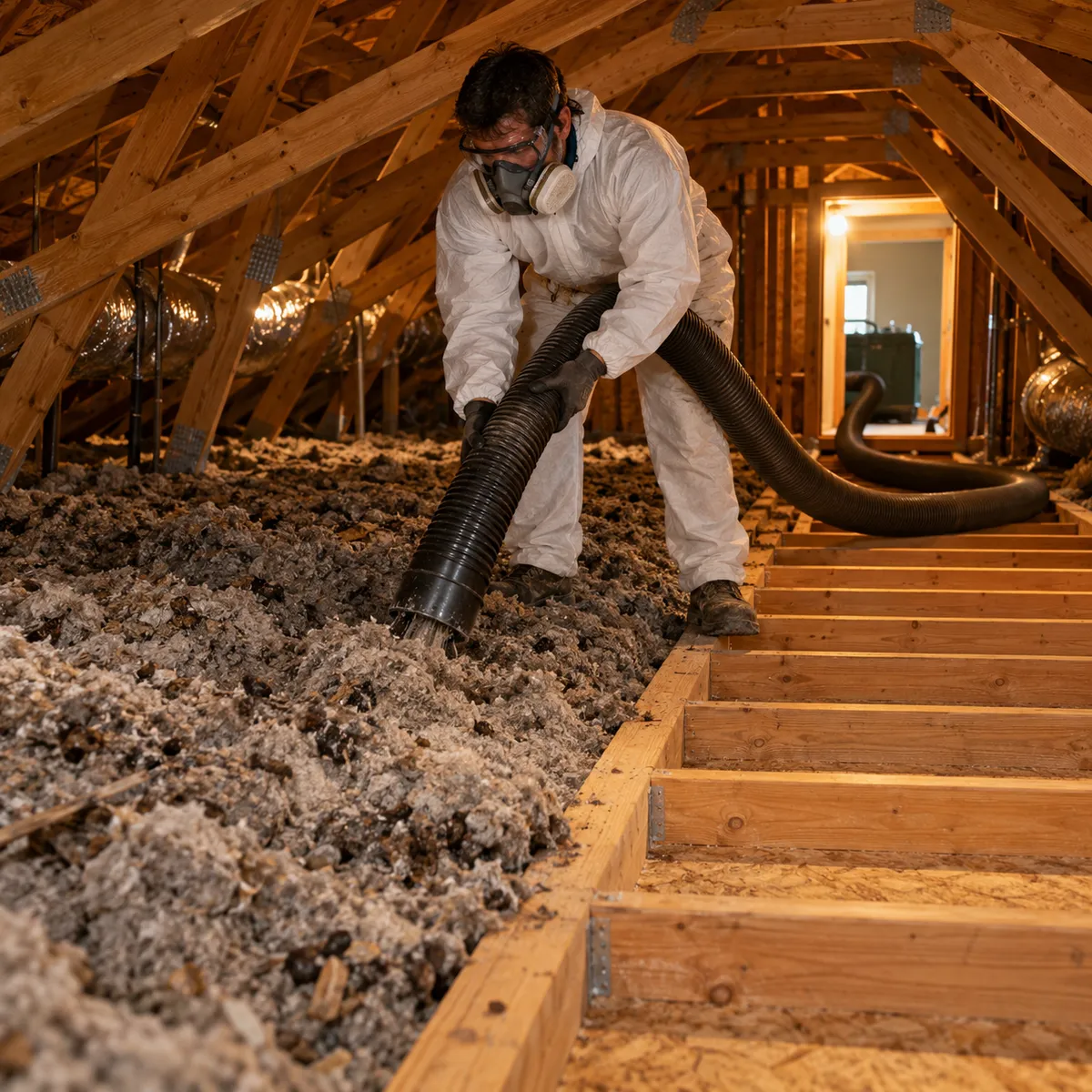
Careful, Contained Removal
We vacuum out and bag old, damaged, or pest-contaminated insulation, then haul everything away when we're done.
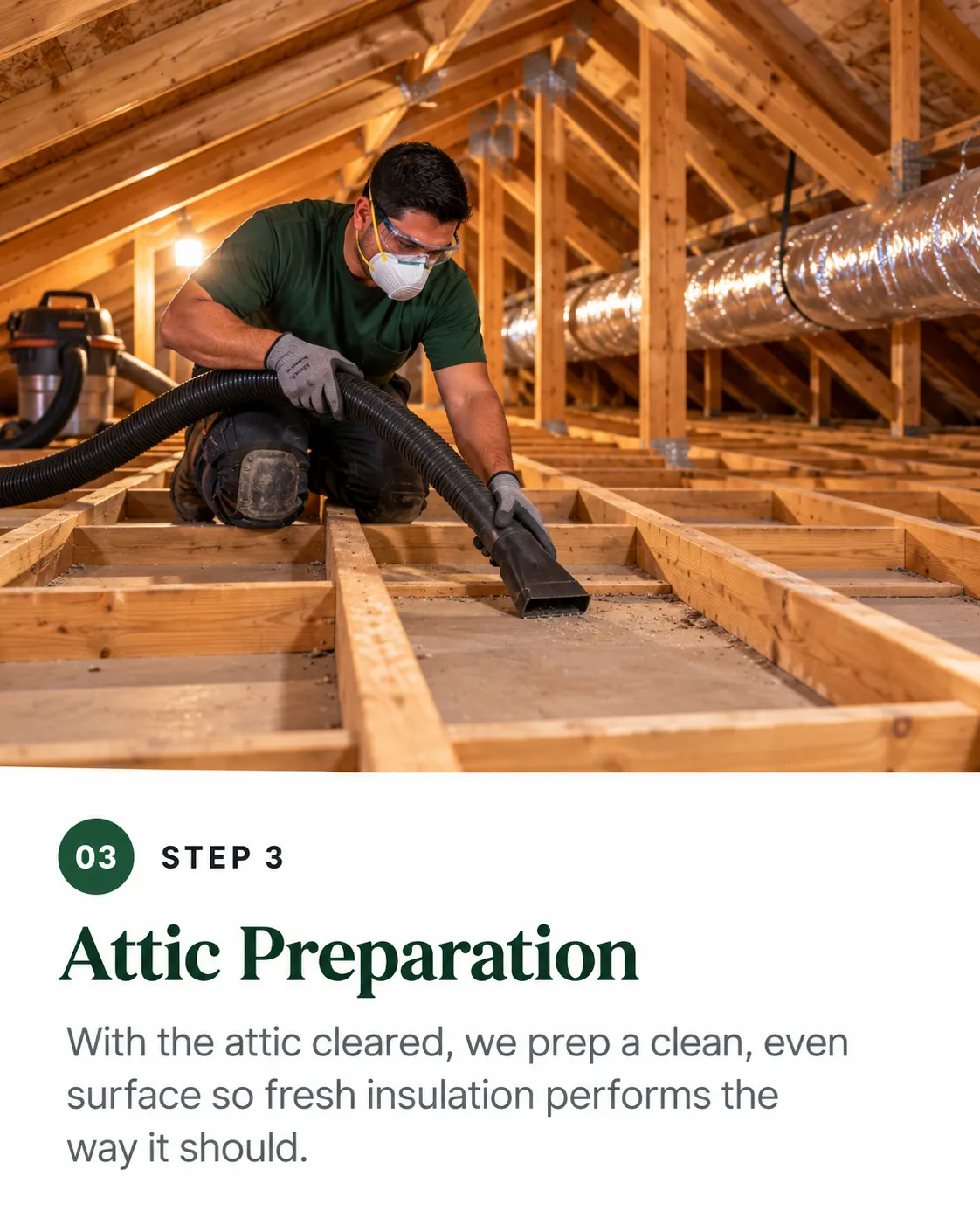
03
STEP 3
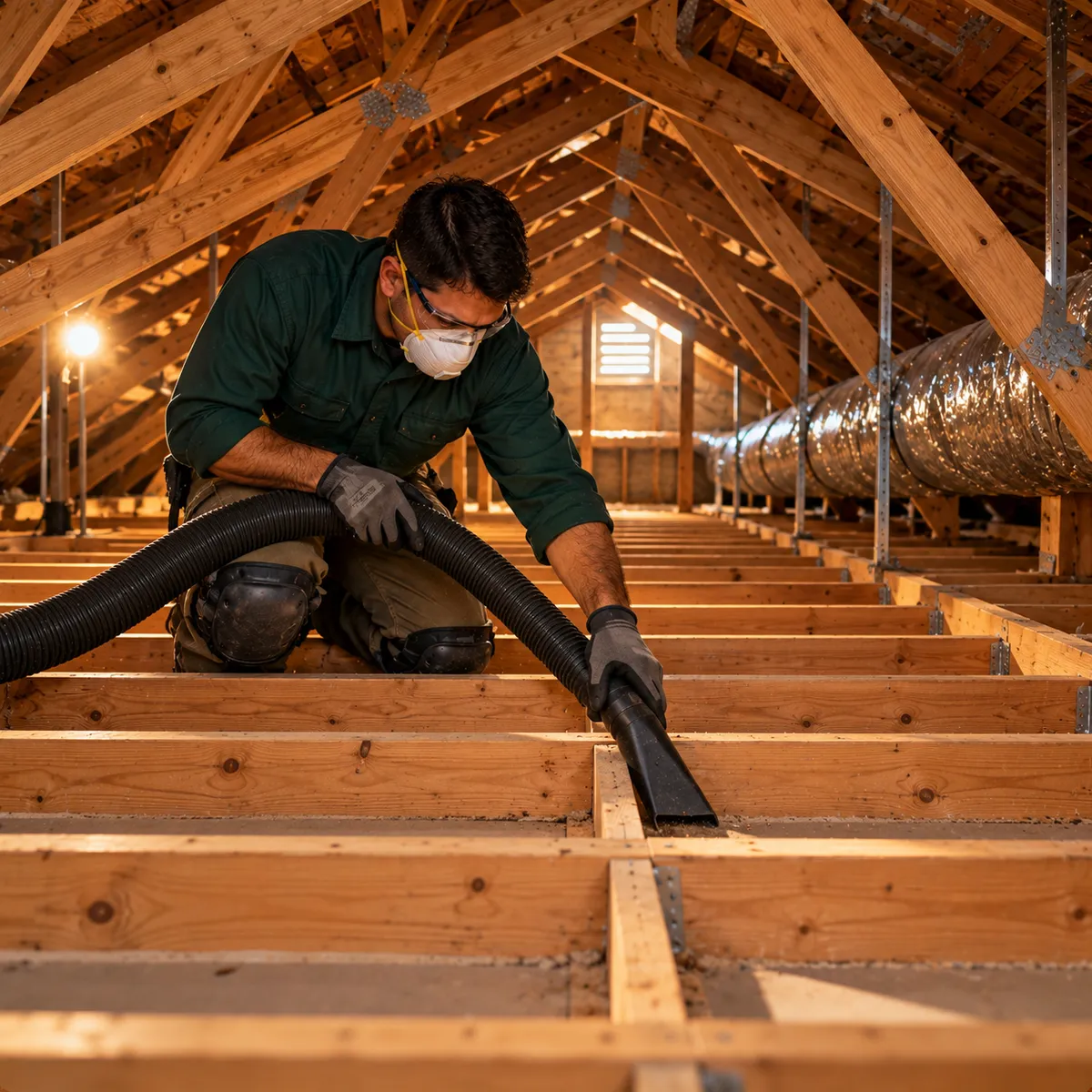
Attic Preparation
With the attic cleared, we prep a clean, even surface so fresh insulation performs the way it should.
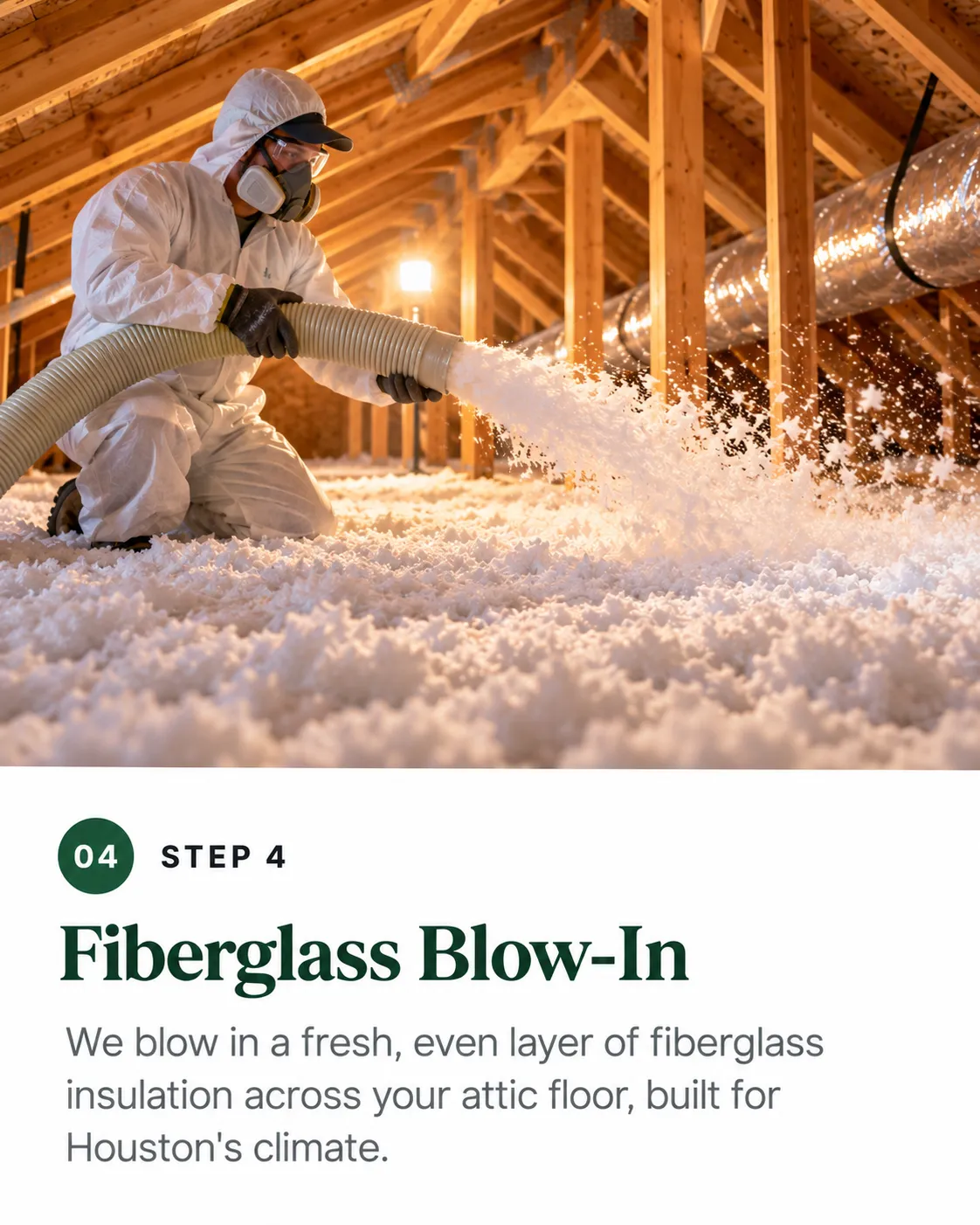
04
STEP 4
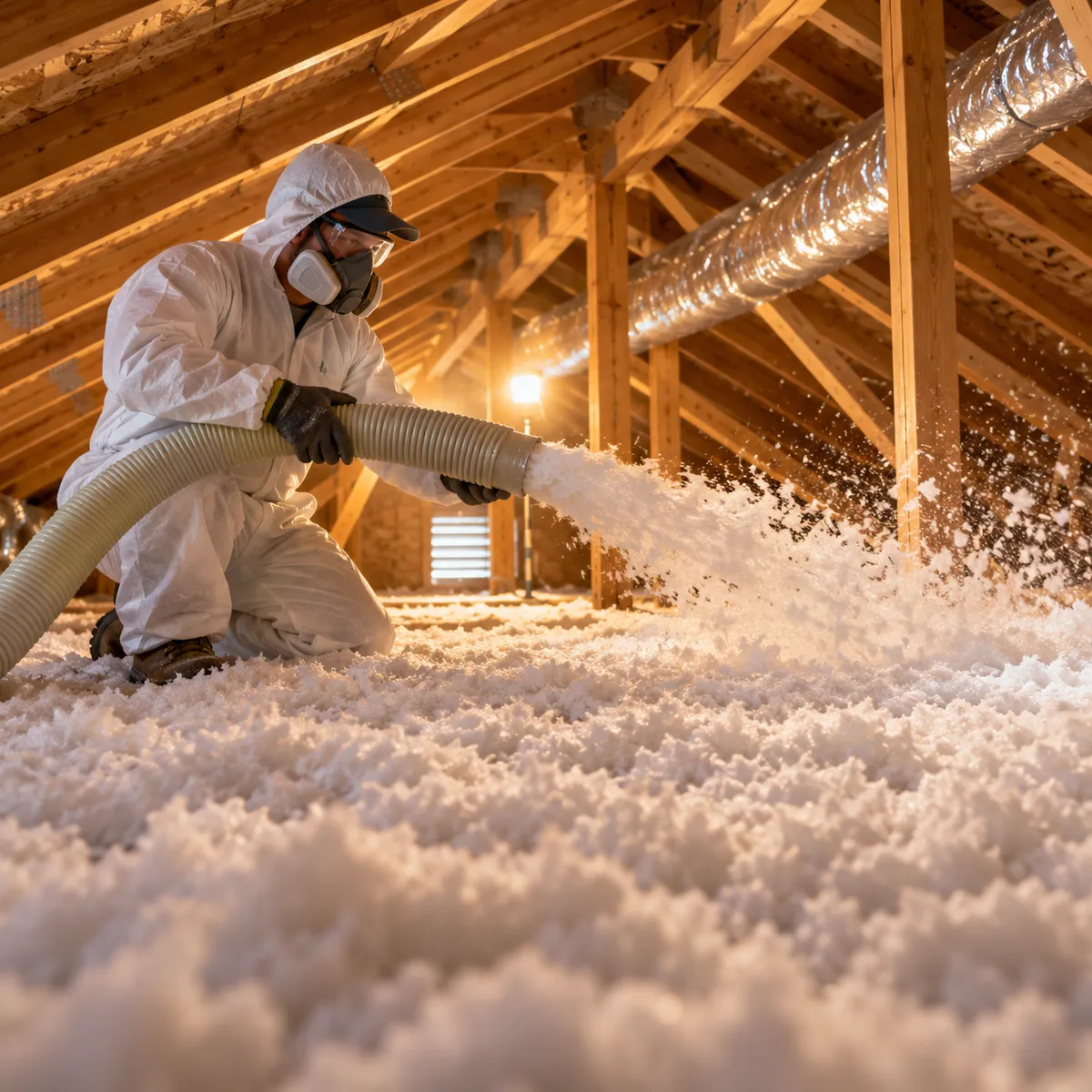
Fiberglass Blow-In
We blow in a fresh, even layer of fiberglass insulation across your attic floor, built for Houston's climate.
INSULATION OPTIONS FOR YOUR HOME
Related Services We Offer
Professional attic insulation solutions to lower energy loss, improve indoor comfort, and keep your home performing at its best.
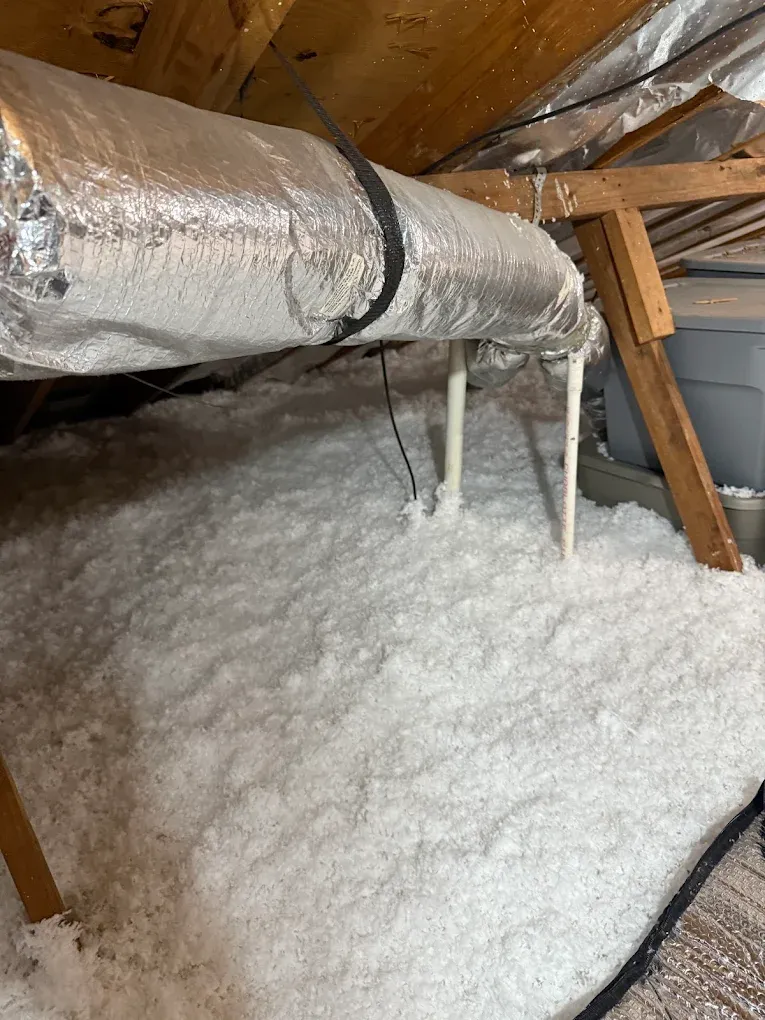
Blown-In insulation
Improve your home's energy efficiency and indoor comfort with installed blow-in insulation that helps reduce heat transfer.
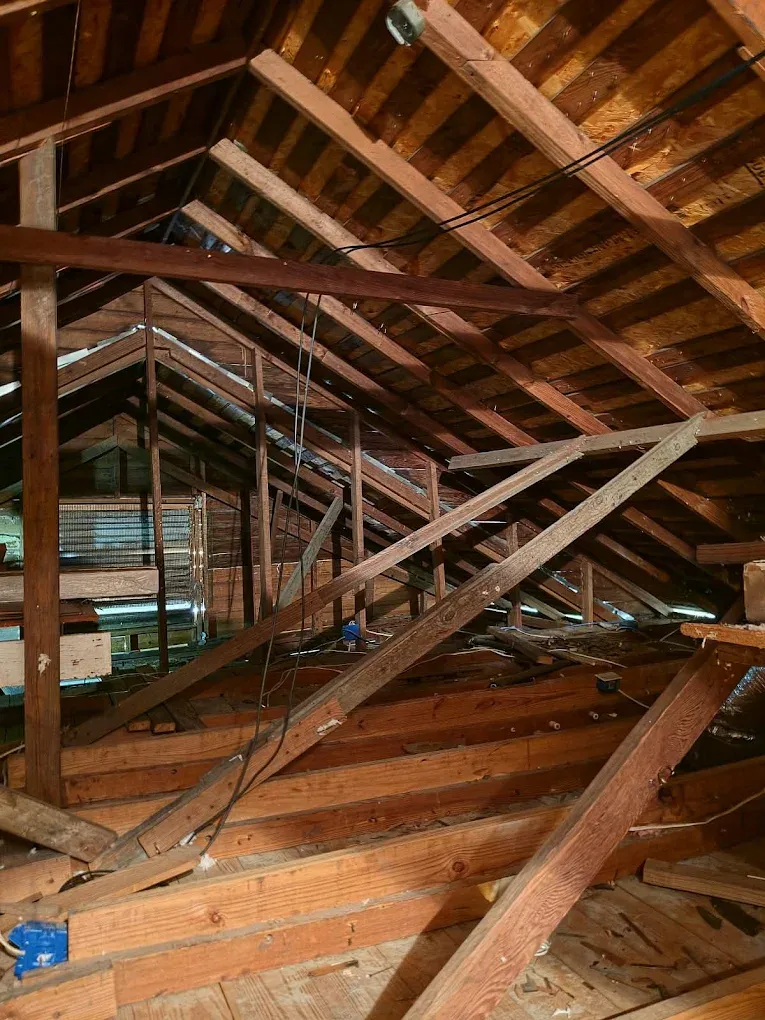
Insulation removal
Remove old, damaged, or contaminated attic insulation to create a clean foundation for new, more effective insulation.
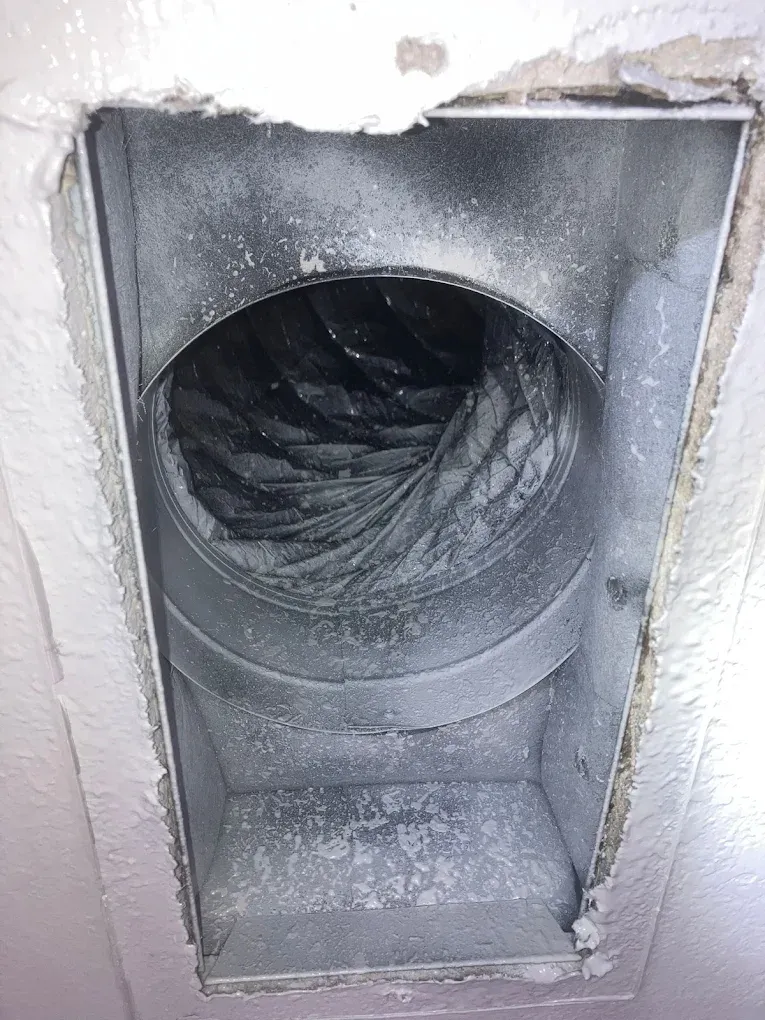
Air duct services
Professional cleaning, installation, repair, and maintenance to keep your air duct system in good condition.
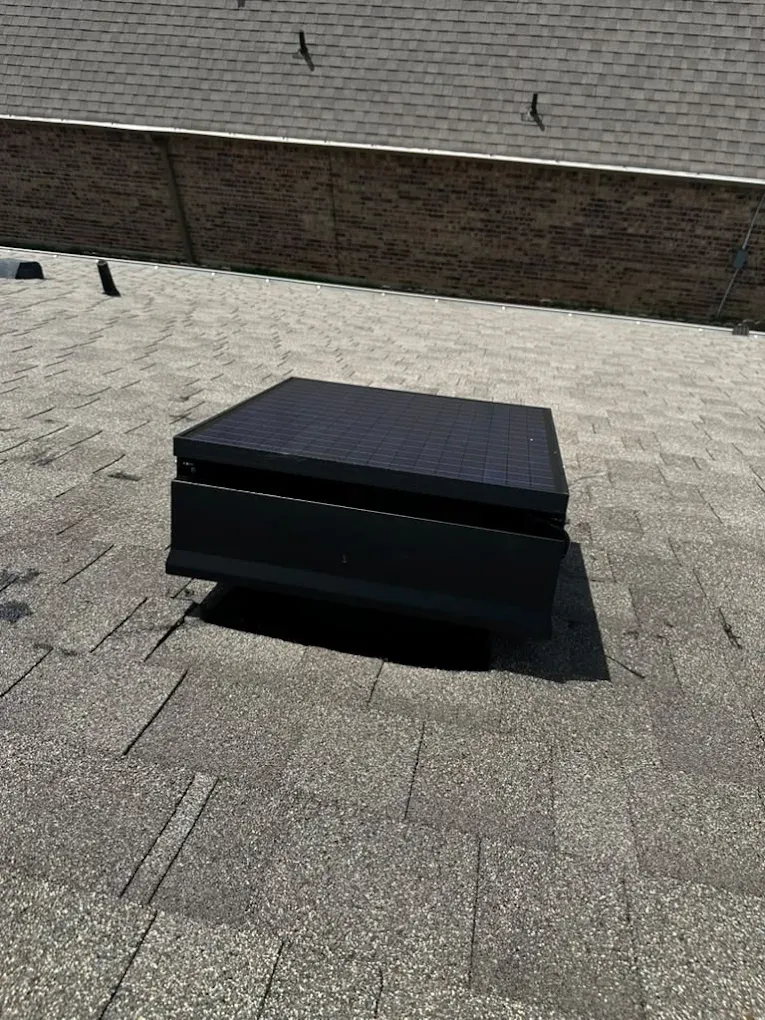
Attic ventilation
Improve attic airflow and help regulate temperature and moisture levels with properly designed attic ventilation.
Blown-In Insulation
Improve energy efficiency and indoor comfort with professional attic insulation.
Learn more →
Insulation Removal
Remove old, damaged, or contaminated attic insulation.
Learn more →
Air Duct Services
Professional duct cleaning, installation, and repair.
Learn more →
Attic Ventilation
Improve airflow and help regulate attic temperature and moisture.
Learn more →Ready to make your attic work better?
Get expert help with your attic insulation project.
Contact our team today to discuss your needs and find the right solution for your home.
BLOW-IN INSULATION FAQS
Your Questions about Blown-In Insulation, Answered.
Have questions about blown-in attic insulation? Find helpful answers about installation, costs, materials, and what to expect when upgrading your home's insulation.
What is blown-in attic insulation, and how does it work?
Blown-in attic insulation is a type of loose-fill insulation installed across the attic floor using specialized equipment that distributes insulation material evenly throughout the space. It helps slow heat transfer between the attic and the living areas below, making it easier to maintain comfortable indoor temperatures. For homeowners in Houston, blown-in attic insulation can help reduce heat entering the home through the ceiling during hot weather.
Common Benefits of Blown-In Attic Insulation
Reduced Heat Transfer: Helps limit the amount of outdoor heat passing through the attic into the living space.
Even Attic Coverage: Insulation can be distributed across large attic floor areas and around suitable obstructions.
Improved Indoor Comfort: Helps maintain more consistent indoor temperatures and may reduce the workload on the HVAC system.
The best insulation approach depends on the attic's existing insulation, ventilation, accessibility, and overall condition. A professional attic assessment can help determine the appropriate material and insulation level for your home.
How much does blow-in insulation cost?
Several factors can affect the total cost of a blown-in insulation project:
Area and Insulation Depth: Larger attics and higher target R-values generally require more insulation material.
Existing Attic Conditions: Removing old insulation, addressing air leaks, and working around obstacles can increase preparation and labor costs.
Material Selection: Cellulose and fiberglass insulation have different material costs and installation requirements.
For an accurate estimate, consider your home's actual attic measurements and insulation needs rather than relying solely on a general price per square foot.
How long does blow-in insulation installation take?
Blow-in insulation installation can often be completed in a day for a straightforward residential attic, although larger or more complicated projects may take longer. The actual timeline depends on attic access, the amount of insulation required, the condition of the space, and whether old insulation must be removed first.
The installation schedule typically depends on:
Attic Size and Accessibility: Large or difficult-to-access attics require more preparation and installation time.
Preparation Requirements: Air sealing, clearing obstructions, protecting fixtures, or removing existing insulation can add work.
Installation Scope: Adding insulation to an open attic is generally simpler than filling enclosed wall cavities.
A contractor can provide a more reliable timeline after inspecting the attic and confirming the work included in the estimate.
Is blown-in cellulose or fiberglass insulation better?
Both cellulose and fiberglass are commonly used for blown-in insulation, but the better option depends on the home's requirements and the installation area. Performance depends on factors such as installed depth, material properties, density, and workmanship. Homeowners should compare the complete insulation system rather than choosing a material based on price alone.
Important differences include:
Cellulose Insulation: Often made from recycled paper products treated with fire-retardant chemicals; its settling characteristics and installation density should be considered.
Fiberglass Insulation: Made from fine glass fibers and available in loose-fill products designed for mechanical installation.
Project Requirements: Existing insulation, attic conditions, target R-value, and budget all affect material selection.
A qualified insulation contractor can recommend a suitable product after assessing the attic and local building requirements.
Which option is right for your home?
Both materials can provide effective attic insulation when properly selected and installed. The right choice depends on your attic conditions, desired R-value, budget, and existing insulation. A professional assessment can help determine which option best meets your home's needs.
What R-value do I need for attic insulation in Houston, TX?
R-value measures resistance to heat flow. Higher R-values generally provide greater thermal resistance, but the appropriate attic insulation level depends on the home's existing insulation, construction, climate zone, and applicable energy codes. Houston-area homes should be assessed using current recommendations for the property's location rather than a universal R-value.
When determining the right insulation level, consider:
Existing Insulation: Measure the current material and identify gaps, compression, or uneven coverage.
Recommended R-Value: Compare the attic's current performance with applicable Department of Energy guidance and local code requirements.
Air Leakage and Ventilation: Insulation works best as part of a properly designed building envelope.
A professional assessment can help determine how much additional blown-in insulation is needed to reach an appropriate target.
Can blow-in insulation be installed over existing attic insulation?
In many cases, new blown-in insulation can be installed over existing attic insulation if the old material is dry, reasonably clean, and in suitable condition. However, adding more insulation without checking the existing attic can conceal moisture problems, pest contamination, or damaged building components.
Before installing additional insulation, a contractor should evaluate:
Existing Material: Check for dampness, mold-related concerns, pest damage, and areas where insulation has deteriorated.
Air Leaks and Safety: Address appropriate air-sealing needs and maintain required clearances around heat-producing equipment.
Ventilation: Ensure insulation does not block soffit vents or other required ventilation pathways.
If the existing material is contaminated or moisture-damaged, removal and remediation may be necessary before new insulation is installed.
Will blow-in insulation lower my energy bills?
Blow-in insulation can help reduce heat transfer through an under-insulated attic, potentially lowering heating and cooling demand. The actual savings vary with the home's current insulation, air leakage, HVAC efficiency, thermostat settings, weather, and household energy use. No particular reduction in energy bills should be assumed without evaluating the property.
Potential benefits include:
Reduced Heat Transfer: Properly installed attic insulation can help limit heat entering the living space during hot weather.
Improved HVAC Performance: Lower heat gain or loss may reduce the workload on heating and cooling equipment.
More Consistent Comfort: Adequate insulation may help reduce temperature differences between rooms and floors.
Air sealing and HVAC improvements may also be needed to achieve the best overall results.
Does blow-in insulation help keep a house cooler in summer?
Yes, blown-in attic insulation can help limit heat moving from a hot attic into the rooms below. In Houston's hot climate, this can support indoor comfort, particularly when the attic is under-insulated. However, insulation does not eliminate heat gain, and the results depend on the home's overall construction and cooling system.
For better summer performance, homeowners should consider:
Consistent Coverage: Install insulation at the appropriate depth without leaving significant gaps or compressed areas.
Air Sealing: Reduce unwanted airflow through suitable ceiling penetrations, gaps, and openings.
Attic Ventilation and HVAC: Ensure the ventilation system is appropriately designed and the cooling equipment operates correctly.
A whole-attic assessment can identify whether insulation, air sealing, or another improvement should be prioritized.
Does blown-in insulation need to be replaced?
Blown-in insulation does not automatically need replacement after a specific number of years. It may continue to perform for many years if it remains dry, uncontaminated, and properly installed. Replacement or additional insulation may be appropriate when material is damaged, has settled significantly, or no longer meets the home's needs.
Signs that an inspection may be worthwhile include:
Uneven or Insufficient Coverage: Some attic areas may have substantially less insulation than others.
Moisture or Contamination: Water damage, pest activity, or other contamination may require professional evaluation and removal.
Poor Home Comfort: Persistent temperature differences or high energy use may justify an assessment of insulation and air leakage.
An inspection can help determine whether topping up, repairing, or replacing the insulation is the most appropriate solution.
How should I prepare my home for blow-in insulation installation?
Preparing the home before blow-in insulation installation helps the crew work efficiently and protects belongings. The exact preparation depends on whether insulation is being added to an attic, installed in wall cavities, or combined with other services. Confirm the contractor's instructions before the scheduled appointment.
Useful preparation steps include:
- Clear access: Remove stored items from the attic entrance and provide a safe path for the installation team.
- Discuss attic conditions: Tell the contractor about known roof leaks, electrical concerns, pests, or previous insulation problems.
- Confirm the work scope: Ask whether air sealing, old insulation removal, ventilation protection, and cleanup are included.
The contractor should also explain access requirements, any necessary household precautions, and what to expect after installation.
Free estimate
Ready for a cleaner, more comfortable attic?
Book your free, no-obligation estimate today. Price match guarantee, in-house payment plans, and bilingual support, from a Houston family-owned team.
Get your FREE Estimate
Tell us where you are and we'll schedule your free, no-obligation estimate.
What's Happening Above Your Ceiling?
GOOD TO KNOW BEFORE YOU UPGRADE
From aging insulation and attic moisture to uneven temperatures and rising energy bills, there's a lot homeowners don't see until a problem shows up.
We've put together practical articles to help you understand what's going on in your attic and what you can do about it.
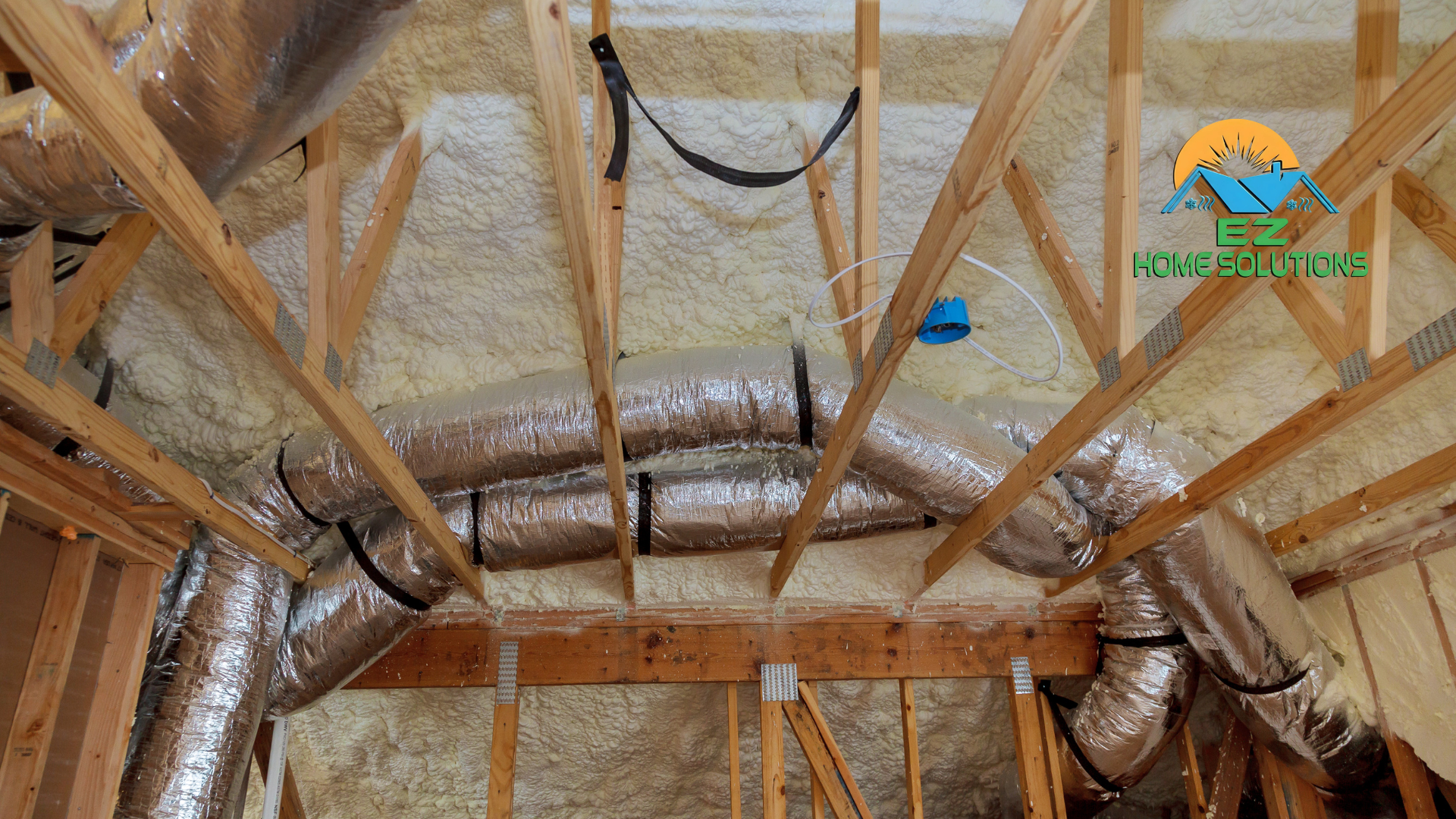
How Long Does Blown-In Insulation Last? Signs It's Time for a Replacement
Is your attic insulation still doing its job? Learn when blown-in insulation wears out, what warning signs to watch for, and when Houston homeowners should call EZ Home Solutions. ...more
Attic Insulation ,Blown-In Insulation
November 13, 2026•8 min read
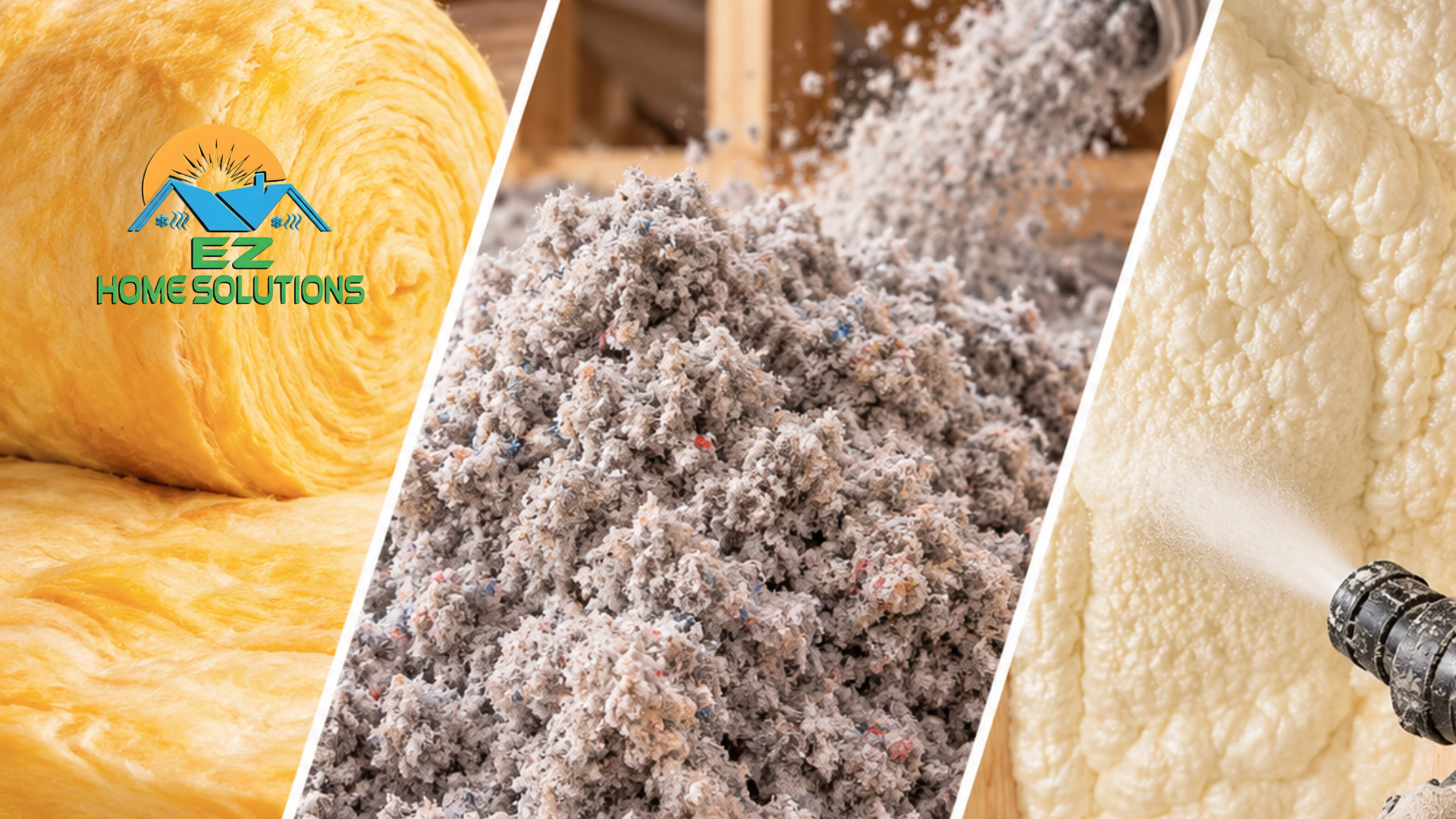
Fiberglass vs. Cellulose vs. Spray Foam: Which Insulation Is Best for Your Home?
Not all insulation performs the same! Compare fiberglass, cellulose, and spray foam to discover what works best for your home. Get expert guidance from EZ Home Solutions in Houston. ...more
Attic Insulation ,Blown-In Insulation
November 08, 2026•8 min read
HOW TO FIND US
Visit EZ Home Solutions in Houston, TX
Have questions about your attic insulation project? Visit our Houston office or give us a call. Our team is ready to help you find the right insulation solution for your home.
OUR OFFICE
4801 Woodway Dr #205W Houston, TX 77056
PHONE
EMAIL
[email protected]
Book an Appointment
Tell us a bit about yourself and we'll schedule your appointment.

Family-owned attic insulation removal and blow-in, serving homeowners across Greater Houston.
Get In Touch
Mon–Fri: 8 AM – 8 PM
Sat: Closed
Sun: 8 AM – 8 PM
TX License TACLB011222E
Copyright 2026. EZ Home Solutions. All Rights Reserved.